
Thank you! We'll be in touch shortly to confirm your inspection.
Mold Testing & Remediation in Beaumont, TX
Southeast Texas's high humidity and heavy rainfall create ideal conditions for hidden mold growth. Beaumont Water Damage provides professional mold inspection, air quality testing, and full remediation — so your family or business can breathe safely again.
Schedule Your Mold Inspection.
Our Mold Services — What's Included
From initial inspection to final clearance testing, Beaumont Water Damage handles every phase of mold assessment and remediation for homes and businesses across the Golden Triangle.
Mold Inspection
Our certified inspectors perform a thorough visual assessment of your property — identifying moisture intrusion points, visible mold colonies, and high-risk areas common in Southeast Texas homes exposed to humidity and flooding.
Air Quality Testing
We collect air and surface samples and submit them to an independent laboratory to measure spore counts, identify mold species, and confirm whether indoor air quality poses a health risk to occupants — critical in Jefferson and Orange County's damp climate.
Containment & Full Remediation
Once mold is confirmed, our team establishes physical containment barriers, removes affected materials safely, applies EPA-registered antimicrobial treatments, and performs post-remediation air quality clearance testing to verify the space is clean.
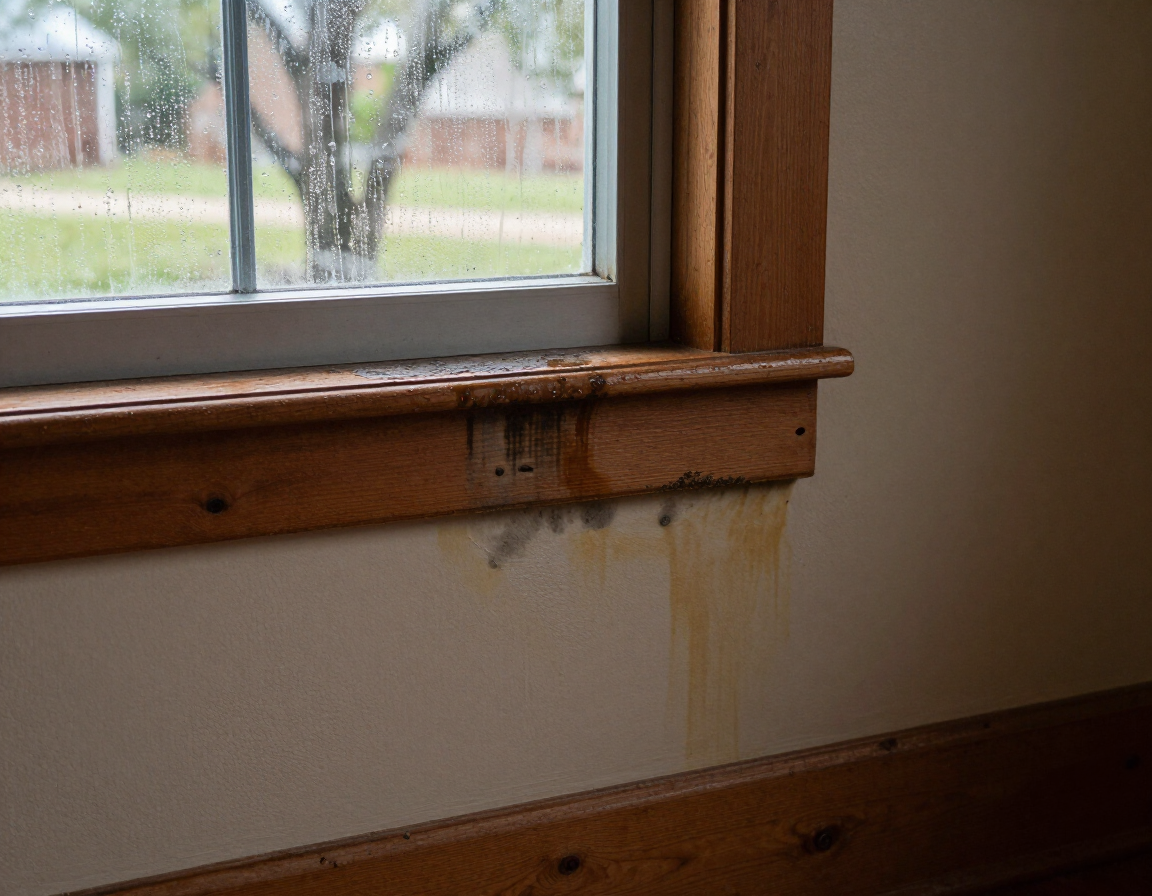
Mold in Southeast Texas Is a Serious Health Risk — Don't Wait
Southeast Texas's subtropical humidity, frequent heavy rainfall, and storm flooding create some of the most mold-prone conditions in the country. Mold can begin growing on wet materials within 24 to 48 hours of water exposure — and once established, it spreads rapidly through walls, insulation, and HVAC systems.
Exposure to active mold colonies can cause respiratory irritation, chronic coughing, allergic reactions, and more serious conditions in people with asthma or compromised immune systems. Children and the elderly are especially vulnerable.
Common warning signs to act on immediately:
- Musty or earthy odors in any room
- Visible dark spots or discoloration on walls, ceilings, or floors
- Allergy or respiratory symptoms that improve when you leave the property
- Recent flooding, leak, or standing water — even if it appeared to dry on its own
- Condensation on windows or pipes over extended periods
Our Mold Remediation Process
We follow a structured, science-based remediation protocol — so you know exactly what to expect from first call to final clearance.
01
Inspection & Testing
Our inspector assesses the full scope of mold growth and moisture intrusion. Air and surface samples are collected and sent to an accredited laboratory for analysis.
02
Containment Setup
We establish physical barriers using negative air pressure and heavy poly sheeting to prevent mold spores from spreading to unaffected areas of your home or business during removal.
03
Mold Removal & Treatment
Affected materials are safely removed and disposed of per EPA guidelines. Surfaces are treated with EPA-registered antimicrobial agents to eliminate remaining spores and inhibit regrowth.
04
Air Quality Clearance Testing
Post-remediation air samples are collected and tested to confirm spore levels have returned to normal. We provide a written clearance report before we consider the project complete.
Mold Found in Beaumont or the Golden Triangle? Act Fast.
Mold spreads quickly in Southeast Texas's humid climate. The sooner you schedule a professional inspection, the less damage you'll face — and the healthier your indoor environment will be. Beaumont Water Damage serves all Golden Triangle communities including Port Arthur, Orange, Nederland, Lumberton, and beyond.
Mold Questions — Answered in Plain Language
We know mold is stressful. Here are honest answers to the questions Beaumont homeowners and business owners ask us most.
How do I know if I have mold in my home?
Common signs include a persistent musty or earthy smell, visible dark spots or discoloration on walls or ceilings, unexplained respiratory symptoms or allergies that improve when you leave the property, or a recent water event such as flooding, a burst pipe, or a roof leak. If you've experienced any of these, scheduling a professional inspection is the safest next step — visible mold is often just the surface of a larger hidden colony.Does homeowner's insurance cover mold remediation?
It depends on the cause. Most homeowner's policies cover mold remediation when it results directly from a covered peril — such as a burst pipe or storm flooding. Mold caused by ongoing neglect or gradual moisture buildup is typically excluded. Beaumont Water Damage works with your insurance adjuster to document the source of mold and the full scope of remediation needed, helping you maximize your claim.What happens during a professional mold inspection?
Our inspector conducts a thorough visual assessment of your property — checking walls, ceilings, crawl spaces, attic areas, and HVAC systems for moisture intrusion and visible mold growth. We also collect air and surface samples, which are sent to an accredited third-party laboratory. You receive a written report with findings and recommended next steps, typically within a few business days of the lab results.Is mold testing the same as mold remediation?
No. Mold testing (or inspection) is the process of identifying whether mold is present and measuring spore concentrations in the air and on surfaces. Mold remediation is the physical removal and treatment process. Some situations require testing first to determine scope; in cases of visible extensive mold growth, remediation may begin while confirmatory testing runs in parallel.How long does mold remediation take?
Timeline depends on the size of the affected area and the severity of growth. A small localized remediation — such as a single bathroom or closet — may be completed in one to two days. Larger jobs involving multiple rooms, HVAC systems, or structural materials can take several days to a week. We provide a clear project timeline in writing before work begins.Can I stay in my home during mold remediation?
In many cases, yes — particularly when the affected area is isolated and proper containment barriers are in place. However, if the mold growth is extensive, involves the HVAC system, or if occupants have respiratory sensitivities, we may recommend temporarily relocating during the active removal phase. Our team will advise you based on the specific conditions of your property.